

Finding a brand design agency that delivers more than pretty logos is harder than it looks. Most Toronto businesses have worked with designers who produced nice visuals that went nowhere—no uptick in leads, no clarity in messaging, no improvement in how customers perceive the company.
At Shift8 Web, we are both a brand design agency and a full-service Toronto web design agency. We take a different approach by combining brand strategy, identity design services, and web development into a single process so that every decision—from your positioning statement to your homepage layout—connects to measurable business goals. Our creativity drives us to develop innovative branding and web solutions that set our clients apart. This article walks through how we work, what you can expect from partnering with a Toronto branding agency, and how to evaluate whether an integrated approach is right for your company.
Key Takeaways
Shift8 Web is a Toronto-based brand design agency offering end-to-end branding, graphic design, and website design for businesses that want clear, conversion-focused brands. We work with founders and marketing teams who are tired of fragmented projects that don’t move the needle.
- Our process moves from strategy (research, positioning, messaging) to design (identity, UX, UI) to development (fast, secure websites) with ongoing support. Each phase has defined deliverables and approval milestones so you always know where the project stands. We are committed to delivering tailored solutions that address each client’s unique branding and web design needs.
- We specialize in building brands that not only look premium but also perform in search, convert visitors, and integrate with modern security tools like Atomic Edge for WordPress and CMS protection. Brand personality and site performance coexist in every build.
- Concrete deliverables appear throughout this article: 4–6 week timelines for launch identities, 6–10 weeks for full brand + website packages, brand guidelines PDFs, logo suites, Figma wireframes, and live WordPress builds with analytics and SEO foundations.
- This article is written from Shift8 Web’s perspective as a Toronto branding agency. The FAQ at the end addresses common buyer questions—budget ranges, platform choices, remote collaboration—not fully covered in the main sections.
What a Brand Design Agency Actually Does (and Why It Matters in 2026)
A brand design agency provides a comprehensive suite of strategic and creative services to shape customer perceptions. That definition sounds broad because the scope is broad. The work spans research, naming, messaging, visual identity, web design, and ongoing digital marketing services—all coordinated to build trust with your target audience and drive business growth. Corporate branding plays a vital role in helping businesses distinguish themselves from their competitors, boost brand recognition, and cultivate lasting loyalty by creating a distinctive and memorable brand identity.
In 2026, the role has intensified. Digital fragmentation, privacy regulations like Canada’s updated PIPEDA, and cybersecurity imperatives have changed what it means to build a brand online. A Deloitte 2025 survey found that 68% of Canadian businesses reported data breach concerns. Mobile penetration in the GTA exceeds 85% according to 2025 Statista data. Your brand presence now lives across dozens of touchpoints—website, social media, email, sales decks, proposals—and each one needs to communicate consistently while respecting user privacy and loading fast on mobile.
Brand strategy is the cornerstone service provided by branding agencies, enabling businesses to boost brand recognition, foster customer loyalty, and drive sales growth. Brand strategy includes brand audit, market research, positioning and persona development, brand story and naming. Without this foundation, visual work becomes guesswork.
How Shift8 Web Differs From Single-Discipline Studios
Many businesses hire a freelance designer for a logo, a separate developer for a website, and a marketing agency for campaigns. The result is often misaligned assets: the logo doesn’t scale well on mobile, the website copy contradicts the brand voice, and the marketing materials feel disconnected.
Shift8 Web’s integrated model combines branding services with web development under one roof. Branding agencies categorize their services into strategic, visual, and implementation phases. We handle all three. Decisions made during strategy show up consistently in the website, collateral, and content. Clutch.co 2026 data shows that integrated agencies outperform single-discipline studios by 25–40% in client retention because they eliminate handoff friction.
Toronto Context: Competitive, Multicultural, Tech-Savvy
The GTA hosts over 200 design agencies and studios according to the Toronto Design Directory. DesignRush 2026 ranked Toronto among North America’s top 10 branding ecosystems. Competition is fierce, which means your brand needs to stand out quickly.
Toronto’s audience is also uniquely diverse. Bilingual requirements (English-French) apply in certain sectors. Multicultural audiences expect brands to resonate across backgrounds. Accessibility standards like WCAG compliance matter for reaching diverse populations. A branding agency rooted in Toronto understands these realities.
Core services a full service branding agency typically provides:
- Brand strategy (audience research, competitor analysis, positioning, messaging frameworks)
- Naming and brand story development
- Visual identity systems (logo design, colour palettes, typography, iconography, brand guidelines)
- Graphic design for print and digital (business cards, pitch decks, social media templates)
- Web design and UX/UI (wireframes, high-fidelity mockups, mobile-first responsive layouts)
- Website development (commonly WordPress or modern CMS builds with SEO and security foundations)
- Ongoing optimization and brand management

How Shift8 Web Brings Structure and Clarity to Your Brand
Our core promise is to bring structure, clarity, and intention to brands so they can attract higher-value customers and scale with confidence. Agencies that have a structured roadmap include distinct phases such as discovery, strategy, creative exploration, refinement, and final implementation. That structure matters because it turns abstract goals into concrete deliverables, ensuring a lasting impact on customer perception and long-term business growth.
We start by clarifying your audience, value proposition, and business goals before touching any visual design. An effective brand strategy enables a company to distinguish itself from competitors and clearly convey its unique value to customers. Without that clarity, design decisions become subjective arguments about personal taste rather than strategic choices backed by research.
Strategy-First Means Faster Decisions Later
When strategy is clear, every subsequent decision becomes easier. Should the website use bold, saturated colours or muted, sophisticated tones? The answer depends on your audience and positioning, not the designer’s preference. Should the homepage lead with a product demo or a trust-building case study? Again, strategy provides the answer.
Branding agencies provide a fresh perspective to identify gaps in current messaging or identity. We often find that clients know their business deeply but struggle to articulate why it matters to their customers. Our Toronto team combines strategy, copywriting, design, and development so that strategic insight translates directly into creative solutions.
2024–2026 Realities Shape How We Design
Privacy concerns, cybersecurity expectations, and mobile-first browsing shape every project we take on. We build websites with GA4 analytics integration configured for privacy compliance. We design mobile-first because over 55% of users bounce from non-responsive sites according to Google 2025 data. For security-conscious brands, we integrate with WAF solutions like Atomic Edge to protect WordPress builds against OWASP Top 10 threats.
Creative branding sets your business apart by boosting brand recognition, fostering customer loyalty, and securing a strong position in the marketplace.But differentiation means nothing if your site loads slowly, gets hacked, or frustrates mobile users. We design for both personality and performance.
Key outcomes clients can expect:
- Unified brand story that aligns leadership, sales, and marketing around a single message
- Consistent visual identity across all touchpoints (website, social media, proposals, signage)
- Faster decision-making because strategic filters are established upfront
- Easier content creation via template libraries and brand guidelines
When Your Brand is Clear, Every Digital Touchpoint Works Harder
Clear brand strategy speeds up marketing decisions, improves conversion rates, and reduces confusion across social media, email, and sales decks. Professional branding creates an emotional connection, turning customers into advocates. When visitors land on your website and immediately understand what you do, who you serve, and why you’re different, they stick around longer and convert at higher rates.
Effective brand identity design creates a cohesive visual language that supports recognition, trust, and consistent experiences across various channels. That cohesion isn’t just aesthetic—it’s functional. Consistent tone, recognizable visual cues, and intuitive navigation reduce cognitive load. Users don’t have to figure out if they’re in the right place. Ongoing brand evolution ensures your brand remains relevant and effective as digital touchpoints and audience expectations change.
The Link Between Brand Clarity and Measurable Performance
HubSpot 2026 data shows that rebranded websites with clear positioning reduced bounce rates from 50% to 30%. Form fills increased by 15–25% when messaging aligned with audience expectations. Organic search performance improved because clear structure and consistent terminology helped search engines understand page intent.
We design websites so that brand personality and performance coexist: fast loads under 2.5 seconds (Google Core Web Vitals threshold), responsive layouts tested across devices, SEO foundations built into page structure, and security layers like pairing with Atomic Edge for WordPress protection against DDoS and injection attacks.
High-level examples of brand clarity driving results:
- A SaaS startup rebranded in 2024 with clearer pricing pages and saw a 20% uplift in demo requests within three months
- A Toronto professional services firm refreshed positioning and proposals, leading to a higher close rate on RFPs
- A hospitality brand unified its visual identity across locations, reducing customer confusion and increasing repeat bookings
- A B2B tech company aligned its website messaging with its actual sales pitch, shortening the sales cycle by two weeks

How Shift8 Web Can Help Your Business as a Toronto Brand Design Agency
Shift8 Web is a Toronto-based agency partner for businesses that want end-to-end brand design: from naming and strategy through to a fully built, secure website. In a competitive Toronto market with notable agencies like Mojo Media, Major Tom, and Envy Design, Shift8 Web stands out by delivering tailored branding solutions and digital experiences. Branding agencies support business growth and increase market share by crafting distinctive brand identities and consistently conveying the brand strategy to their target audiences. The agency’s strategic direction and credibility are shaped by its experienced co-founder, ensuring a strong foundation for every project.
Key service groups we offer:
- Brand strategy: Research, audience segmentation, competitor analysis, positioning statements, messaging frameworks, and brand story development—delivered as a comprehensive PDF document with personas and voice guidelines
- Visual identity systems: Logo suite (SVG, PNG, variations), typography selection, colour palette, iconography, and brand guidelines that ensure consistency across all materials
- Graphic design: Print and digital collateral including business cards, pitch decks, social media templates, signage, and marketing materials
- Web design: UX/UI wireframing, high-fidelity mockups in Figma, mobile-first responsive layouts, accessibility-compliant designs
- Web development: Fast, secure CMS websites (commonly WordPress, which powers 43% of websites per BuiltWith 2026), with analytics integration, SEO foundations, and optional security layers like Atomic Edge WAF
- Ongoing optimization: Performance tuning, UX improvements, content updates, and periodic brand refreshes
Tailored to Your Stage
Brand identity design services generally encompass initial discovery and research, the development of design concepts, and the final delivery of a cohesive visual identity. But scope varies by where you are as a company.
Early-stage founders typically need a launch identity and website in 4–6 weeks: core logo, minimal colour palette, single-page or small multi-page site, basic analytics, and social templates to start building brand visibility.
Growth-stage companies often require rebrands or platform migrations: refreshed positioning, expanded visual systems, multi-page WordPress builds with lead capture, integrations with CRMs or marketing tools, and website redesign to reflect evolved brand vision.
Established brands may need refreshes for new product lines, multilingual sites for international markets, or updated branding to match company evolution. These projects layer onto existing brand foundations rather than starting from scratch.
Concrete outputs you receive:
- Brand strategy document (PDF) with positioning, personas, messaging pillars
- Logo suite with usage guidelines
- Typography and colour system with hex codes and font files
- Social templates (Instagram, LinkedIn) in editable formats
- Marketing collateral templates (pitch decks, business cards)
- Live CMS-based website with staging site for review before launch
- Training session for your team on CMS editing and brand consistency
Explore our recent projects and case studies at shift8web.ca to see how these deliverables come together for real clients.
Our Branding & Web Design Process: How We Work From Toronto
Our process has three main phases over a typical 6–10 week engagement: Discovery, Direction, and Design & Development, with clear milestones and approvals at each stage. We follow this structured roadmap because it reduces revision cycles, keeps projects on budget, and ensures the final output actually serves your business goals.
Phase overview:
- Discovery (1–2 weeks): Deep dive into your business, market, and goals
- Direction (2 weeks): Brand strategy, positioning, and creative exploration
- Design & Development (3–6 weeks): Identity creation, website design, and build
- Ongoing Support: Post-launch optimization, maintenance, and growth
Our process is remote-friendly but rooted in Toronto. We run workshops via Zoom or on-site in the GTA depending on client preference. Most projects complete successfully with fully remote collaboration—we’ve worked with clients across Canada, the US, and internationally using video calls and shared project management tools.
Discovery: Deep Dive Into Your Business and Market
Discovery usually takes 1–2 weeks and is the foundation of all strategic and design decisions. Effective creative branding requires a deep understanding of a brand’s purpose, core values, and objectives to resonate with the target audience and foster emotional connections. We invest time upfront to understand your business before proposing any visual direction.
The core of Discovery is a 90–120 minute workshop with founders or key stakeholders. We explore:
- Company history and founding story
- Goals for 2026–2028 and what success looks like
- Target audience segments and who you serve best
- Competitors and how you currently differentiate
- Existing brand assets, messaging, and what’s working or not
- Technical context: current website performance, analytics, and pain points
Effective personal branding involves understanding one’s audience, story, and personality, which helps in creating a cohesive and authentic brand image. The same applies to company brands. We dig into the “why” behind your business because that story shapes everything from taglines to website copy.
We also review any current brand materials, analytics (GA4 reports if available), and website performance data to understand what’s working and what needs to change. If you’re seeing high bounce rates on specific pages or low conversion on key forms, we want to know that before designing solutions.
Tangible outputs from Discovery:
- Summary of insights document
- Initial audience segments with demographic and psychographic notes
- Key challenges and opportunities identified
- Early hypotheses about positioning and differentiation
- Competitive landscape overview
Typical questions we cover in the workshop:
- Why did you start the company in [year]?
- What must be true for this rebrand to be a success?
- Who is your best customer and why do they choose you?
- What do competitors do well that you want to match or exceed?
- What brand attributes do you admire in other companies (any industry)?
- What’s not working about your current brand or website?
Direction: Brand Strategy, Positioning, and Mood
The Direction phase usually runs 2 weeks following Discovery and transforms raw insight into a clear brand strategy. The process of creating unique and innovative brand identities involves understanding the target audience and aligning the brand’s values and personality with their expectations. This phase is where we define that alignment.
Personal branding is essential for individuals to differentiate themselves in their professional fields, helping them to build a unique identity and reputation. For companies, the same principle applies—your brand needs to carve out a distinct position that resonates with your market.
Deliverables from the Direction phase:
- Brand positioning statement (who you are, who you serve, how you’re different)
- Value propositions for key audience segments
- Audience personas with goals, pain points, and decision criteria
- Messaging pillars (3–5 core themes that guide all communications)
- One-page brand story outline
- Voice and tone guidelines
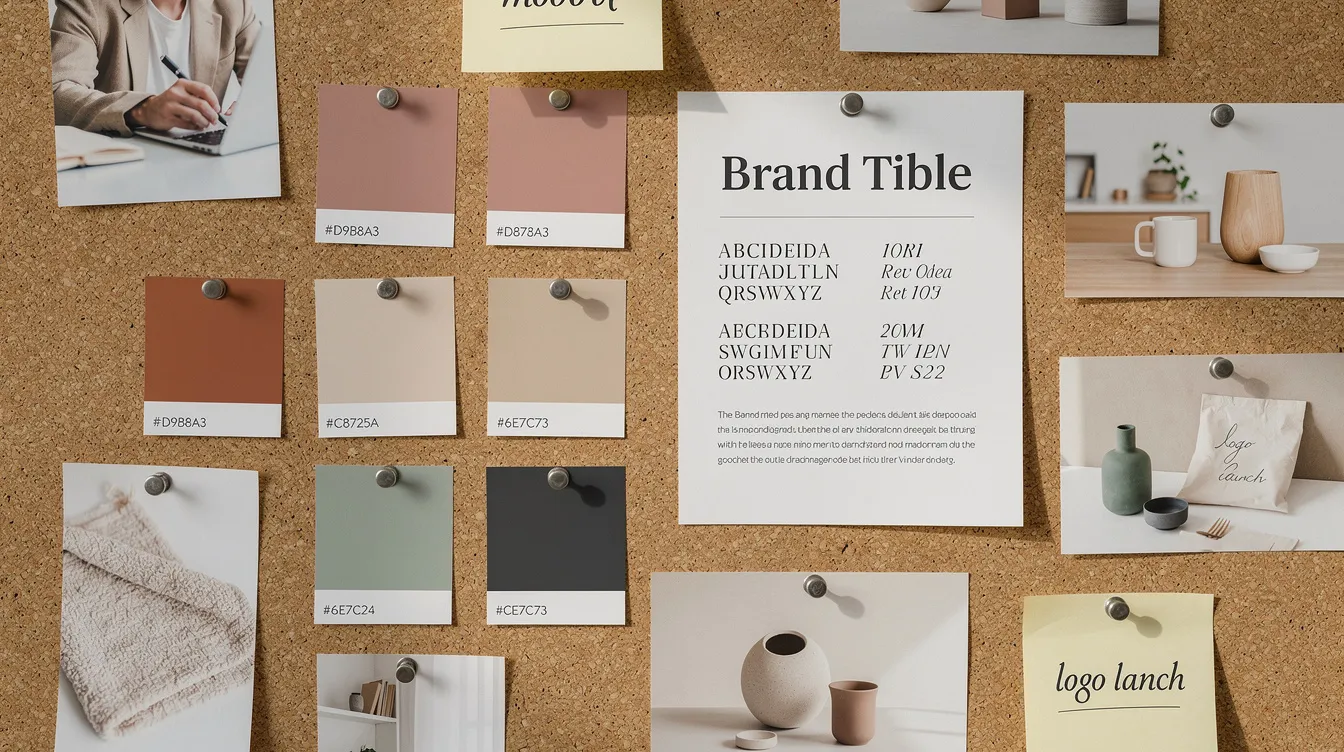
We present 2–3 creative territories or moodboards with colour, typography, imagery, and interaction styles that align with the strategy and Toronto market context. Each territory represents a viable direction for your visual identity. One might be bold and energetic; another might be refined and minimal.
We refine one chosen direction through collaborative feedback sessions, often 1–2 rounds over video calls or in-person meetings in the GTA. By the end of Direction, you have a strategy PDF that becomes the reference document for all design and development work.
Strategy PDF sections typically include:
- Executive overview
- Audience profiles
- Competitive positioning
- Brand positioning statement
- Voice and tone guidelines
- Visual direction summary with moodboard
Design & Development: From Identity to Live Website
This phase typically spans 3–6 weeks depending on project scope: simple brand + one-page site versus full identity system + multi-page WordPress build. A compelling brand identity design, featuring elements like a logo and visual components, enables customers to quickly recognize and remember your brand, which enhances brand awareness and fosters loyalty.
Identity design process:
We develop 2–3 logo concepts based on the approved creative direction. After presenting options with rationale, we refine one chosen route through 1–2 revision rounds. The final logo suite includes:
- Primary logo
- Secondary/alternate lockups
- Icon-only version for small applications
- Colour and monochrome versions
- Clear space and minimum size guidelines
Beyond the logo, we create the full visual identity system: colour palette (primary, secondary, accent colours with hex codes), typography system (headline, body, accent fonts with usage guidelines), iconography style, and photography/illustration direction.
UI/UX work:
For website projects, we begin with low-fidelity wireframes for key pages (homepage, services, about, contact). Wireframes focus on information hierarchy and user flow before visual polish. Once wireframes are approved, we move to high-fidelity designs in Figma.
We design with accessibility in mind: adequate colour contrast ratios, readable font sizes (minimum 16px body text), focus states for keyboard navigation, and mobile-first responsive behaviour. Over 85% of GTA users access the web on mobile—your site must work flawlessly on phones.
Development approach:
We build fast, responsive websites commonly on WordPress or another modern CMS. WordPress powers 60% of small business sites according to BuiltWith 2026 data. We choose it for most projects because:
- Clients can edit content without developer help
- Large ecosystem of maintained plugins for forms, SEO, analytics
- Strong security when properly configured
- Easy integration with marketing and CRM tools
We integrate analytics (GA4 configured for privacy compliance), basic SEO (meta tags, structured data, sitemap), and technical solutions for performance (image optimization, caching, CDN setup). For security-conscious brands, we pair builds with WAF-as-a-Service solutions like Atomic Edge, which blocks 99.9% of OWASP Top 10 threats according to vendor benchmarks.
Concrete outputs from Design & Development:
- Brand guidelines PDF (20–40 pages covering logo usage, colours, typography, imagery, voice)
- Asset folder with all logo files, icons, social templates, and fonts
- Staging site link for review before launch
- QA checklist covering responsive behaviour, forms, links, load speed
- Launch support including DNS coordination and go-live monitoring
- Optional training session for client teams on CMS editing
Ongoing Support: Optimizing and Evolving Your Brand
We support clients after launch through retainer or on-demand arrangements for additional design work, content updates, and digital advertising support. Brand management involves the ongoing process of maintaining and improving a brand’s reputation and identity over time, which is crucial for building customer loyalty and trust.
Post-launch services include:
- Performance tuning based on analytics (identifying high-bounce pages, improving conversion funnels)
- UX improvements informed by user behaviour data
- New landing pages for campaigns or product launches
- Campaign creative for digital marketing (social ads, email headers, banner graphics)
- Periodic brand refreshes as the company evolves
- Ongoing digital marketing services including content strategy and SEO refinement
Effective brand management requires a deep understanding of the target audience, brand values, and market positioning to ensure consistent messaging across all channels. We help clients maintain that consistency as they scale.
For security-conscious brands, we coordinate with their chosen security stack—including tools like Atomic Edge, CDNs, or other WAFs—to ensure design and development changes don’t compromise protection or performance. Adding a new plugin or updating a theme shouldn’t open vulnerabilities.
Brand management strategies often include monitoring brand performance, managing customer perceptions, and adapting to market changes to maintain a competitive edge. We track how the brand performs in market and recommend adjustments when needed.
We also offer training for internal teams on how to use the CMS, maintain brand consistency, and update assets without breaking layouts or accessibility standards. The goal is to empower your team to handle day-to-day updates while having Shift8 Web available for larger initiatives.
Real Outcomes From Working With a Toronto Brand Design Agency
This section outlines the kinds of measurable results clients can expect from engaging Shift8 Web as their brand design agency. We focus on tangible results rather than vague promises.
Typical outcomes within 3–6 months of rebrand and website launch:
- Increased qualified leads as clearer positioning attracts the right prospects
- More consistent sales presentations because the team created materials that align with the brand story
- Better engagement on social channels due to cohesive visual systems
- Higher close rates on proposals because brand’s essence comes through in every touchpoint
- Faster content creation because templates and guidelines eliminate guesswork
A strong personal brand can lead to increased visibility and opportunities, as it allows individuals to communicate their values and expertise effectively. The same applies to company brands—when your brand clearly communicates value, opportunities follow.
Mini-examples from recent work:
A Toronto professional services firm rebranded in 2024. The team clarified positioning around a specific niche rather than trying to serve everyone. New proposals reflected the refined messaging. Close rates on RFPs improved because prospects immediately understood the firm’s expertise and differentiation.
A B2B SaaS company launched a new website with clearer pricing pages and restructured navigation. Demo requests increased by 20% within three months. The sales team reported shorter discovery calls because prospects arrived better informed.
A hospitality brand unified visual identity across three locations. Customer confusion decreased. Social media engagement rose 15% as the brand became instantly recognizable across posts and stories.
Less tangible but important outcomes:
- Internal alignment: When the brand story is clear, everyone from founders to customer support tells the same story
- Easier hiring: Candidates understand the company culture through consistent brand materials
- Stronger employee pride: Teams feel more confident sharing company content when it looks professional and polished
SHRM 2025 data indicates that companies with clear employer brands hire 23% faster. Your brand identity extends beyond customers to talent acquisition.
Choosing the Right Brand Design Agency in Toronto
The GTA has dozens of branding agencies and studios. Clutch.co’s 2026 rankings list top branding agencies in Toronto including firms like Takt, Colette, and Mystique Brand Communications. This section guides you on what to look for, with Shift8 Web as an example of an integrated, web-savvy partner.
Evaluation criteria when selecting an agency:
Criteria | What to Look For | Red Flags |
|---|---|---|
Strategic thinking | Process starts with research and positioning, not visuals | Jumps straight to logo concepts without understanding business |
Web development capability | In-house development team, not outsourced to freelancers | Relies on third-party developers with separate contracts |
Case studies | Recent work (2022–2026) with documented outcomes | Portfolio only shows visuals, no business context |
Communication style | Clear milestones, responsive to questions, great communication | Vague timelines, slow responses during sales process |
Technical expertise | Understands SEO, security, performance, accessibility | Dismisses technical concerns or promises to “figure it out later” |
Look for real project management discipline: defined phases, approval gates, and documented deliverables at each stage. Ask to see their process document before signing.
Full-service vs. piecemeal teams:
Working with an integrated agency like Shift8 Web means strategy, design, and development happen under one roof. Decisions made in strategy sessions cascade directly into design specs and development requirements. Revision cycles shrink because there’s no telephone game between separate vendors.
Assembling a piecemeal team—freelance designer, separate developer, and external marketing agency—often results in misaligned assets and higher long-term costs. Clutch.co 2026 data shows integrated agencies deliver 15–30% cost savings over fragmented teams when measured across full project lifecycles.
The branding expertise of top branding agencies comes from seeing the entire process from strategy through implementation. That perspective identifies opportunities and gaps that specialists working in silos miss.
If you’re evaluating options, we encourage you to contact Shift8 Web via shift8web.ca to discuss your brand project and receive an initial roadmap. We’ll give you an honest assessment of scope, timeline, and whether we’re the right fit.

A clear brand paired with a fast, secure website is the foundation for sustainable growth in 2026 and beyond. When strategy, design, and development work together under one roof, your brand stops being a cost center and becomes a growth engine that helps you build trust with customers and deliver high quality results across every touchpoint.
If you’re considering a rebrand, launching a new brand, or need a new website that actually converts, we’d like to hear from you. Visit shift8web.ca to explore our work and start a conversation about your project. We’ll provide an honest assessment of scope, timeline, and how we might help you find solutions that fit your business goals.
Developing a Clear Brand Vision
Brand vision defines what your business stands for. Without it, marketing campaigns scatter across channels with no unified message. Revenue suffers when customers can’t understand what you offer or why it matters. A branding agency structures this process through specific services that dig past logo design into what differentiates your business from competitors.
Start with market research and audience analysis. Identify who buys from you, what they value, and how they view your competition. This data reveals your unique selling points. Use these insights to build a brand strategy that connects business goals with customer needs. Skip the guesswork. Base decisions on real customer feedback and market data.
Consistent brand execution drives recognition and trust. Every touchpoint reinforces the same message and visual identity. Marketing efforts align instead of conflicting. This consistency builds the recognition that converts prospects into customers. Track brand awareness metrics to measure progress. Inconsistent branding wastes ad spend and confuses potential buyers.
Professional branding services create brands that perform in the market. You get a brand that attracts customers and supports business growth over time. The investment pays off through higher customer retention and stronger market position. Whether launching new or refining existing brands, clear brand vision with agency support delivers measurable business results. Start with a brand audit to identify gaps between current brand perception and business goals.
Building Trust Through Consistent Branding
Trust comes from consistent uptime and reliable performance. Your brand system needs standardized configs that work across all touchpoints. A design system with proper version control prevents visual drift and maintains user experience consistency.
Start with a single source of truth. Set up shared CSS variables and component libraries that deploy consistently across your stack. Your website, email templates, and social assets should pull from the same design tokens:
/* Design tokens in CSS custom properties */
:root {
  --brand-primary: #2563eb;
  --brand-secondary: #64748b;
  --font-stack: 'Inter', -apple-system, sans-serif;
  --border-radius: 8px;
}
Consistency prevents user confusion and reduces support tickets. When your header navigation, email templates, and social media graphics use identical spacing and typography, users recognize your interface immediately. This recognition builds trust through predictable interactions.
Automated deployment keeps your brand system current. Set up CI/CD pipelines that validate design changes and push updates to all properties simultaneously. Monitor for visual regressions with screenshot testing:
# Automated visual testing with Percy or similar
npm run build
npm run percy:snapshot
# Catches unintended layout shifts
Track brand consistency with performance metrics. Monitor Core Web Vitals and conversion funnels. Log when users bounce due to inconsistent experiences. High-quality implementation means fast load times, accessible markup, and zero layout shifts.
Design systems are code architecture, not just pretty colors. Build reusable components with clear APIs and fallback states. When users see your brand deliver consistent performance across all touchpoints, they trust your reliability. Document component usage and provide migration paths for breaking changes.
Consistent brand implementation requires ongoing maintenance. Version your design system releases. Test changes in staging first. Monitor error rates and user feedback after deployments. Partner with teams that understand both design principles and technical constraints.
# Next step: audit current brand consistency
curl -sI https://yoursite.com | grep -E 'cache|content-type'
lighthouse --only-categories=performance --chrome-flags="--headless"
Attracting High-Paying Customers With Strategic Branding
Attracting high-paying customers starts with fixing the fundamentals. A polished logo means nothing if your site takes 4 seconds to load or your contact form throws 500 errors. You need systems that work and data that proves ROI. We’ve seen agencies burn through budgets on creative work while ignoring conversion tracking and performance metrics.
Start with data. Pull your analytics for the last 90 days. Identify which traffic sources convert to high-value leads. Check your competitor’s tech stack with BuiltWith. Run lighthouse audits on their key pages. Map customer pain points to specific features you can build. Skip the brand vision workshops until you know which channels drive revenue.
Team alignment happens in code and configuration, not meetings. Document your brand guidelines in a style guide repository. Set up automated deployment for marketing assets. Use feature flags to test messaging variants. When your developers, designers, and marketing team work from the same source of truth, consistency follows. We maintain brand assets in /assets/brand/ with version control and clear naming conventions.
Your website is your primary conversion tool. Implement proper tracking before you redesign anything. Set up GA4 enhanced ecommerce, server-side event validation, and form completion funnels. Optimize Core Web Vitals first. A 100ms improvement in TTFB often beats a visual refresh for lead quality. Test your contact forms under load. Validate email deliverability with proper SPF and DKIM records.
Strong positioning comes from shipping features that solve real problems. Track customer acquisition cost by channel. Monitor lifetime value trends. Measure support ticket volume and resolution time. High-paying customers choose vendors who deliver reliable solutions and respond quickly when issues arise. Focus on uptime, response times, and clear communication. Build reputation through consistent execution, not marketing campaigns.